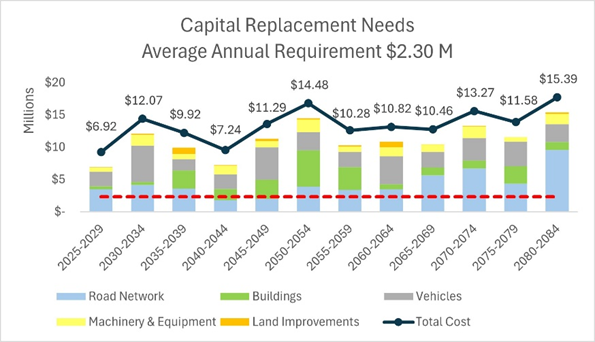
The Township uses a combination of property taxes, grants, reserve funds, user fees, and other funding sources to support municipal services and infrastructure.
Financial decisions are guided by the Township’s financial policies, Asset Management Plan, long-range capital forecasting, and annual budget process. Together, these tools help Council balance current community needs with long-term affordability and financial sustainability
1. Grant Funding
The Township regularly applies for provincial and federal grant programs to support infrastructure, facilities, community programming, accessibility initiatives, and other municipal priorities.
Grant funding can reduce the amount that must be funded through property taxes or reserves and may allow important projects to proceed sooner than would otherwise be possible.
However, grants are often competitive, restricted to specific purposes, and may require the Township to fund a portion of the project. Grant availability can also change from year to year and cannot be relied upon as the only source of funding for essential infrastructure.
2. Reserves and Reserve Funds
The Township’s Reserve and Reserve Fund Policy guides how reserves are established, funded, used, monitored, and reported.
Reserves and reserve funds are amounts set aside for future operating and capital needs. They help the Township prepare for infrastructure replacement, major projects, emergencies, elections, revenue fluctuations, and other anticipated or unexpected costs.
The Township maintains both discretionary reserves and obligatory reserve funds. Obligatory reserve funds, such as Development Charges and the Canada Community-Building Fund, must be used only for the purposes permitted by legislation or funding agreements.
The policy also establishes reserve targets and requires reserve balances and forecasts to be reported to Council through the annual budget, financial reporting, and year-end audit processes.
3. Why Reserves Are Not Simply Used to Lower Taxes
Using reserves to reduce taxes may provide temporary relief, but it does not reduce the ongoing cost of delivering municipal services.
Once those funds are spent, the same operating and infrastructure costs remain, while fewer resources may be available for future projects, equipment replacement, emergencies, or unexpected financial pressures.
The Township’s policy directs audited year-end general levy surpluses to the reserve for capital works, helping build funding for future infrastructure rather than using one-time revenue to support ongoing expenses.
4. Capital Funding Strategy
The Township uses its Capital Asset Funding Strategy together with the 10-Year Long-Range Capital Forecast to consider how future capital projects will be funded.
The strategy considers a combination of:
- annual tax-supported capital contributions
- reserve and reserve fund contributions
- predictable infrastructure funding, including the Canada Community-Building Fund and Ontario Community Infrastructure Fund
- funding made available as existing debt is retired
- development charges for eligible growth-related projects
- responsible borrowing where appropriate
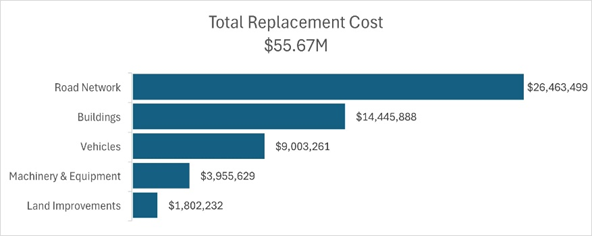
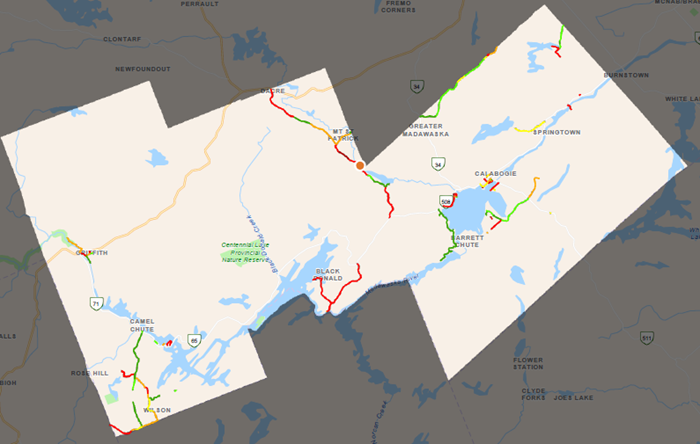
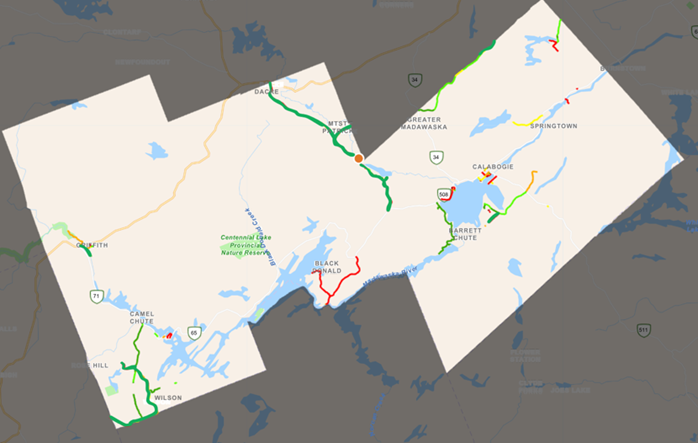
The Long-Range Capital Forecast identifies anticipated investments in roads, culverts, buildings, vehicles, equipment, studies, and other Township assets over the coming 10 years.
5. Responsible Borrowing
The Township’s Debt Management Policy establishes controls for the use and repayment of debt and connects borrowing decisions to long-term planning and financial stability.
Before debt is considered, the Township must assess available grants and other external funding, the impact on future ratepayers, financial risk, repayment costs, and the useful life of the asset. The term of the debt cannot exceed the useful life of the asset and is limited to a maximum of 25 years.
The policy also limits the Township’s annual debt repayment to no more than 15% of its own-source revenues, preserving financial flexibility for emergencies and other priorities.
6. Balancing Current and Future Needs
Council and staff review operating costs, reserve balances, capital forecasts, grant opportunities, asset-management requirements, and debt capacity as part of the annual budget process.
No single source of funding can address every municipal need. Responsible financial planning requires the Township to combine funding tools while considering affordability, infrastructure condition, service levels, and the impact of today’s decisions on future taxpayers.
Learn More
The Township's financial policies provide additional information on how reserves, debt, and long-term financial sustainability are managed.